
Private Jet Tax Deduction 2026: Your Guide to 100% Bonus Depreciation
This guide explains how the private jet tax deduction works in 2026, who qualifies, what can undo the deduction, and how to plan a purchase before year-end.
If you buy a business aircraft in 2026, federal tax law lets you deduct its full cost in the first year. The One Big Beautiful Bill Act (OBBBA) made 100% bonus depreciation permanent, so there is no longer a phase-down schedule pushing buyers to close early. The rules for qualifying have not changed, though. Your aircraft still has to be used mostly for business, placed in service during the tax year, and backed by records that hold up in an audit.
December 31 is the cutoff to claim the deduction on your 2026 return. The 100% rate itself doesn't expire.
What Is the Private Jet Tax Deduction in 2026?
The private jet tax deduction is the 100% bonus depreciation allowance under Internal Revenue Code Section 168(k). It lets a qualifying owner deduct the full depreciable cost of a jet or turboprop in the year the aircraft is placed in service, instead of spreading the deduction across several years under a standard depreciation schedule.
The deduction can create a large first-year tax benefit, but it applies only when the aircraft, the ownership structure, and the way you fly it all meet IRS requirements. Work with a qualified aviation tax advisor before you sign a purchase agreement.
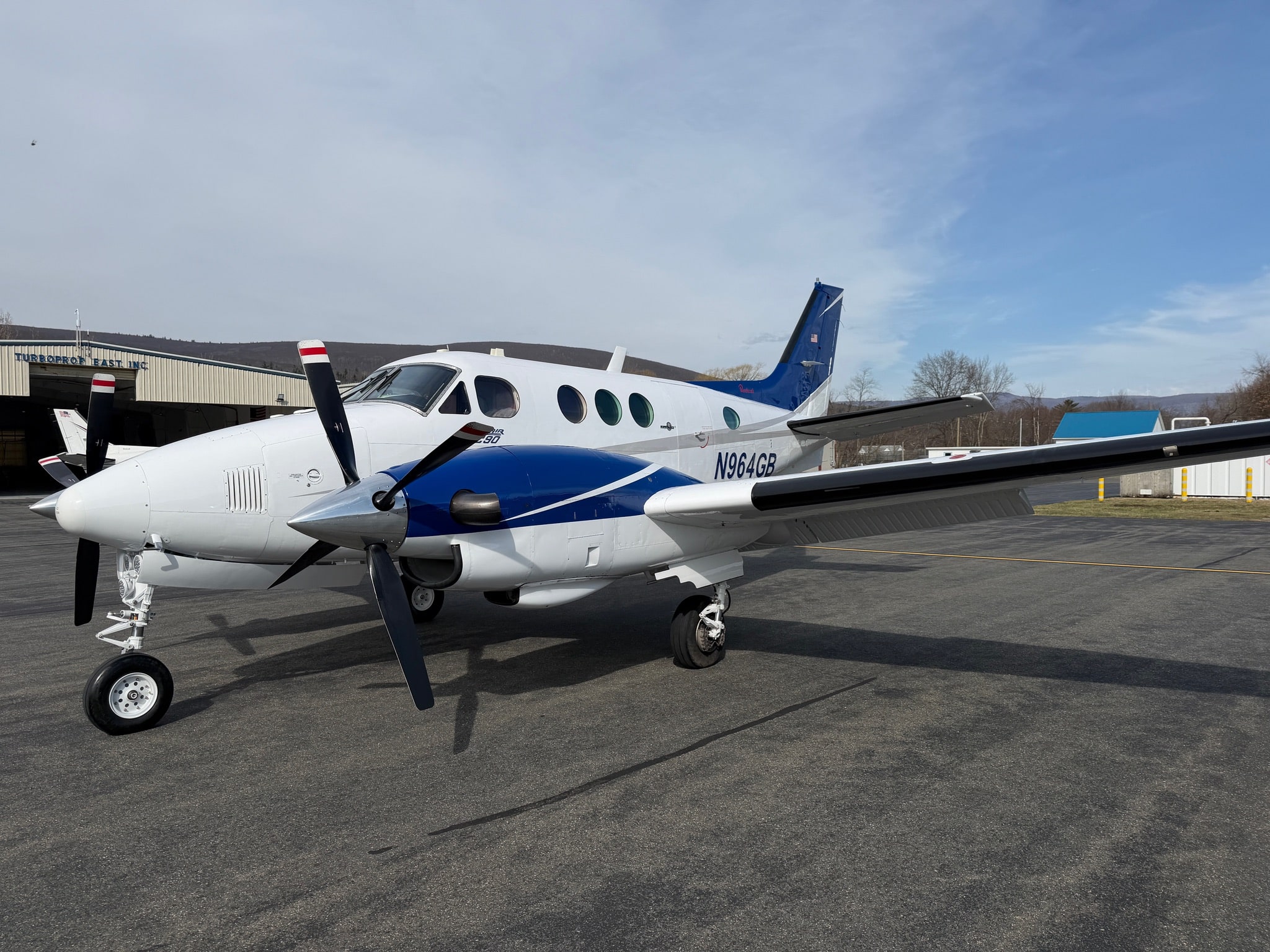
For 2026, the key facts are:
The Rate Is 100%
Qualifying aircraft acquired and placed in service in 2026 are eligible for a full first-year deduction.
It Is Permanent Under Current Law
There is no scheduled sunset or phase-down. Congress could change the law in the future, but nothing is currently scheduled to reduce the rate.
New and Used Aircraft Both Qualify
A pre-owned aircraft is eligible as long as you have not used it before and it meets the acquisition rules.
Business Use Must Exceed 50%
Aircraft are "listed property," so the deduction depends on more than half of the aircraft's use being qualified business use.
How the One Big Beautiful Bill Act Changed the Rules
The Tax Cuts and Jobs Act of 2017 raised bonus depreciation from 50% to 100%, but only temporarily. Starting in 2023, the rate was set to drop by 20 points each year: 80% in 2023, 60% in 2024, 40% in 2025, 20% in 2026, and zero after that. That schedule pushed many buyers to rush purchases before December 31.
The One Big Beautiful Bill Act, signed into law on July 4, 2025, ended the phase-down. It permanently restored 100% bonus depreciation for qualified property, including aircraft, that is both acquired and placed in service after January 19, 2025. In January 2026, the IRS issued Notice 2026-11 with additional guidance on applying the 100% rate.

Tax Cuts and Jobs Act
Bonus depreciation rises from 50% to 100%, but only temporarily.
Scheduled Phase-Down
80% in 2023, 60% in 2024, 40% in 2025, 20% in 2026, and zero after that.
OBBBA Signed
100% restored permanently for property acquired and placed in service after January 19, 2025.
IRS Notice 2026-11
Additional guidance on applying the 100% rate.
What this means for a 2026 buyer:
No More Racing a Phase-Out
You no longer need to time a purchase around a declining rate. You can choose an aircraft based on your mission, condition, and price, not a tax calendar.
The Acquisition Date Still Matters
An aircraft acquired under a written binding contract signed before January 20, 2025, does not qualify for the 100% rate, even if it is delivered in 2026. Those deals stay on the old, reduced phase-down rates. If you have a pre-2025 purchase agreement, review it with your advisor.
The Qualification Rules Are the Same
Business-use thresholds, documentation standards, and related-party rules work exactly as they did before.
Tax Depreciation vs. Market Value: Understanding the Difference
The 100% bonus depreciation deduction is a tax write-off. It says nothing about what your aircraft will be worth when you sell it.
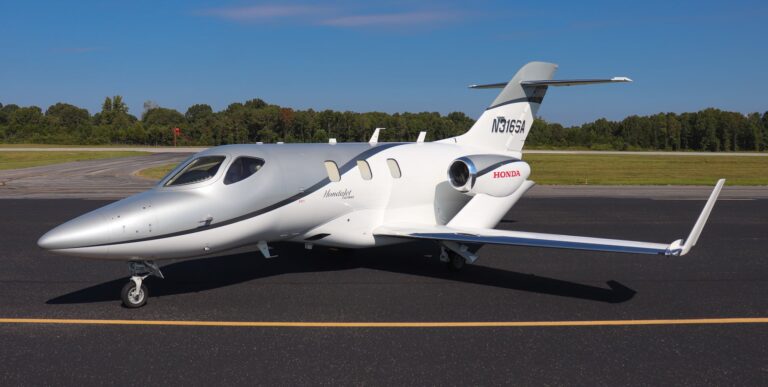
Tax depreciation lowers your taxable income on paper. Market depreciation reflects what a buyer will pay for your aircraft years later. A King Air B200 bought for $3 million and fully deducted in year one still loses real market value over time, based on total time, engine cycles, avionics updates, maintenance history, and how it competes with newer models. When you sell, condition and demand set the price, not the deduction you claimed. If you are considering a sale, selling with AlphaJets starts with an honest look at where your aircraft sits in today's market.
Tax Depreciation
Lowers your taxable income on paper. With 100% bonus depreciation, the full depreciable cost is deducted in the year the aircraft is placed in service.
Market Depreciation
What a buyer will pay years later, set by total time, engine cycles, avionics updates, maintenance history, condition, and demand.
Recapture at Resale
This also matters at resale. When you sell an aircraft you fully depreciated, the gain up to the amount you deducted is generally taxed as ordinary income through depreciation recapture. In other words, a big deduction now can mean a larger tax bill when you sell. Your advisor can model both ends of the ownership period so you know your real net cost.
How to Qualify Your Aircraft for 100% Bonus Depreciation in 2026
You must meet four conditions to claim the full first-year deduction. Missing any one of them can eliminate the benefit.
Acquire the Aircraft After January 19, 2025
The aircraft must be acquired after January 19, 2025, and you cannot have a written binding contract for it dated before January 20, 2025. Any aircraft purchased under a 2026 contract meets this test.
Use the Aircraft More Than 50% for Qualified Business
Because aircraft are listed property, more than half of their use must be qualified business use. The IRS does not accept general statements that an aircraft supports your business. You must document each flight and its business purpose. A turboprop flown 60% for business qualifies; the same aircraft flown 48% for business does not, and must instead be depreciated more slowly under the Alternative Depreciation System with no bonus depreciation.
Not every business flight counts toward the threshold. Use by owners holding 5% or more of the business, and by people related to them, is subject to special rules and may be excluded from qualified business use. Leasing the aircraft to a related party can also affect the calculation. Your aviation tax advisor can explain how your ownership structure affects qualification.
Place the Aircraft in Service by December 31, 2026
To claim the deduction on your 2026 return, the aircraft must be placed in service in 2026. Generally, that means the aircraft is ready and available for its intended business use, not simply purchased or under contract. Closing on December 31 with the aircraft still in a maintenance or completion facility may not qualify. December 31 is the cutoff to claim the deduction on your 2026 return, but the 100% rate itself doesn't expire. If you are aiming for a 2026 deduction, plan the pre-buy inspection, closing, registration, and delivery with enough time before year-end. Buying with AlphaJets helps keep your acquisition on schedule.
Keep Contemporaneous Flight and Business-Use Records
Records must exist from the first day the aircraft enters service. Every flight needs to be logged with its business purpose. Without contemporaneous records, the deduction can fail under audit, no matter how legitimate the business use was.
Record-Keeping That Survives an Audit
The IRS does not accept rough estimates or logs rebuilt after the fact. For every flight from the day the aircraft is placed in service, your records should show:
- Date of the flight
- Departure and arrival airports
- Flight time
- Names of all passengers
- The specific business purpose of the trip
An owner who tracks only total hours and a business-use percentage has no defense when an examiner asks which flights counted as business and why. The burden is on you to prove the aircraft met the threshold in the year you claimed the deduction and in every year afterward. If a log entry lists passengers but no business purpose, expect the IRS to treat the flight as personal. If it states a business purpose with nothing to support it, the claim is weak.
The most defensible approach is simple:
- Log each flight within 24 hours.
- Describe the business purpose in terms of the company objective the trip served.
- Keep supporting materials such as meeting agendas, client correspondence, or site visit reports.
Set up this documentation process with your advisor before your first flight, not after an audit notice arrives.
MACRS Class, Section 179, and Personal-Use Rules
Three details decide how much of the purchase price you can deduct, and when.
5-Year or 7-Year MACRS
Business jets are 5-year MACRS property, or 7-year if flown under Part 135. The class sets the standard depreciation schedule that applies to any cost not taken in year one.
Section 179 Limits
Section 179 is capped at $2,560,000 for 2026 (Rev. Proc. 2025-32), so bonus depreciation does the heavy lifting on jets.
Personal and Entertainment Flights
Personal and entertainment flights reduce qualified business use and can trigger imputed income (SIFL). The AGL depreciation guide covers the details.
Key Risks: Recapture, Personal Use, and State Tax Treatment
Three risks decide whether your deduction holds up after you claim it.
Business-Use Recapture
If qualified business use drops to 50% or less in any later year of the aircraft's recovery period, you must recapture part of the deduction. The excess depreciation you claimed over what the slower Alternative Depreciation System would have allowed is added back to income. A change in how you fly, such as more family travel or fewer business trips, can trigger this years after the purchase.
Personal and Entertainment Use
Personal flights, family trips, and vacation travel do not count toward the business-use threshold. On top of that, costs tied to entertainment flights by certain officers, owners, and their guests can be disallowed under separate IRS rules, even when the aircraft otherwise qualifies. Clear policies on who can use the aircraft, and how those flights are recorded and reimbursed, protect the deduction.
State Tax Treatment, Including Kentucky
Not every state follows federal bonus depreciation. Kentucky requires an add-back of federal bonus depreciation under KRS 141.0101, which means owners generally calculate standard depreciation on their Kentucky return. House Bill 757 (2026) updated Kentucky's conformity date to December 31, 2025, but it did not change that add-back. Confirm with your CPA how Kentucky's rules apply to your purchase. Other states, including Indiana, also decouple and have their own add-back rules.
Each of these risks can be managed if you address it before the aircraft is placed in service. Fixing them afterward is expensive and sometimes impossible.
Worked Savings Example: Turboprop, Light Jet, and Mid-Size Jet
Your actual savings depend on your marginal tax rate, your ability to use the deduction against income, and your state's rules. The figures below are illustrations only.
Assume three aircraft at these purchase prices and a hypothetical 37% federal tax rate, which is the top individual rate:
| Aircraft Category | Assumed Purchase Price | Illustrative First-Year Federal Tax Reduction |
|---|---|---|
| Turboprop | $2.5 million | $925,000 |
| Light jet | $5 million | $1.85 million |
| Mid-size jet | $12 million | $4.44 million |
These are not AlphaJets client figures or aircraft pricing. Your results may be lower if you are in a lower bracket, if passive activity or other limits restrict how much of the deduction you can use, or if your state does not follow federal bonus depreciation. For Kentucky owners, this example reflects federal savings only.
Illustrative Estimator
Illustration only, not tax advice. Assumes the aircraft fully qualifies and the full cost is deducted in year one. Federal savings only. Confirm your figures with a qualified aviation tax advisor.
The tax benefit alone does not justify buying an aircraft. The deduction lowers your net acquisition cost in year one, but operating costs, resale value, recapture at sale, and how well the aircraft fits your mission decide whether ownership makes financial sense over time. Browse our current jets and turboprops for sale to compare aircraft that match your mission.
Other Private Jet Ownership Tax Benefits in 2026
Beyond the first-year deduction, ongoing operating expenses tied to business flights are generally deductible. These include:
Costs must be split between business and personal use under IRS rules, and your advisor can calculate the deductible share based on your flight records.
Timing an upgrade can also create planning opportunities. If you plan to sell or trade your current aircraft toward a new one in 2026, the gain on the sale and the deduction on the replacement interact. Structure the transaction with your advisor before you sign, so the timing works in your favor in both federal and state returns. Our team can coordinate selling your current aircraft alongside your next acquisition.
Why Work With a Qualified Aviation Tax Advisor
Permanent 100% bonus depreciation makes 2026 a strong year to buy a business aircraft, but the deduction belongs only to owners who qualify and can prove it. A qualified aviation tax advisor can:
- Review the acquisition date and contract terms
- Structure ownership to meet the business-use test
- Plan the placed-in-service date before December 31
- Set up a flight log and record-keeping process that holds up in an audit
- Model recapture risk at sale and if business use drops
- Evaluate both federal and Kentucky or other state tax treatment
The law is permanent, but your qualification is not. It has to be earned and documented every year you own the aircraft. Pair your advisor's guidance with the right aircraft, and AlphaJets can help you find one that fits your mission and your timeline. Meet the AlphaJets team.

Frequently Asked Questions
Have more questions about buying or owning an aircraft? Visit our full AlphaJets FAQs.
Yes. Under the One Big Beautiful Bill Act, qualifying aircraft acquired and placed in service after January 19, 2025, are eligible for 100% bonus depreciation, and that includes aircraft bought in 2026. The aircraft must be used more than 50% for qualified business purposes.
No, not for qualifying purchases. The One Big Beautiful Bill Act removed the phase-down that was set under the Tax Cuts and Jobs Act and made 100% bonus depreciation permanent. The only exception is property acquired under a written binding contract signed before January 20, 2025, which remains on the old reduced rates.
December 31 is the cutoff to claim the deduction on your 2026 return, and the 100% rate itself doesn't expire. The aircraft must be placed in service by December 31, 2026. That generally means it is ready and available for its intended business use, not just purchased. Allow time for the pre-buy inspection, closing, and delivery before year-end.
Yes. Both new and pre-owned aircraft can qualify, as long as you have not used the aircraft before and it meets the acquisition date and business-use requirements.
A fractional share can qualify if it is used primarily for business. The same more-than-50% business-use test applies. The treatment of personal use and management fees in fractional programs varies, so work with your aviation tax advisor to confirm how your share qualifies.
If qualified business use is 50% or less, you cannot claim bonus depreciation. If business use falls to 50% or less in a later year, part of the deduction you claimed must be recaptured. Personal and entertainment flights can also make some operating costs nondeductible.
Keep a complete flight log for every flight from the day the aircraft is placed in service. Record the date, route, flight time, passengers, and business purpose, and keep supporting documents such as meeting agendas or client correspondence. Records should be kept at the time of the flight, not rebuilt later.
Kentucky requires an add-back of federal bonus depreciation under KRS 141.0101, and HB 757 did not change that. Owners generally calculate standard depreciation on their Kentucky return. Confirm how this applies to your purchase with your CPA before you buy.
Yes. Expenses such as maintenance, fuel, crew, hangar, insurance, and management fees are generally deductible when the aircraft is used for business. They must be split between business and personal use, and they are separate from the first-year purchase deduction.
Work with a qualified aviation tax advisor who can coordinate with your accountant and legal team. An aviation tax specialist understands aircraft ownership structures, business-use rules, recapture risk, and state tax treatment in ways a general accountant may not.
Find the Right Aircraft Before Year-End
Explore our current inventory, talk with our team about buying or selling, or meet us in person at an upcoming AlphaJets event.